North Carolina’s
ABC System
It’s fully self-funded — no taxes here!
Discover the facts about our alcohol control system and why it’s essential for North Carolina’s future.
How the North Carolina ABC System is Structured and Works
Established in 1937 after Prohibition, North Carolina’s Alcoholic Beverage Control (ABC) system is one of 17 “control states” in the U.S. where the state maintains oversight of spirituous liquor sales to promote responsibility and public welfare.
Key Components
State ABC Commission (NC ABCC)
Oversees the entire system, issuing permits for on-premise (e.g., restaurants, bars) and off-premise (e.g., grocery stores) alcohol sales. It also regulates over 7,000 commercial entities like breweries, wineries, distilleries, and wholesalers.
Local ABC Boards
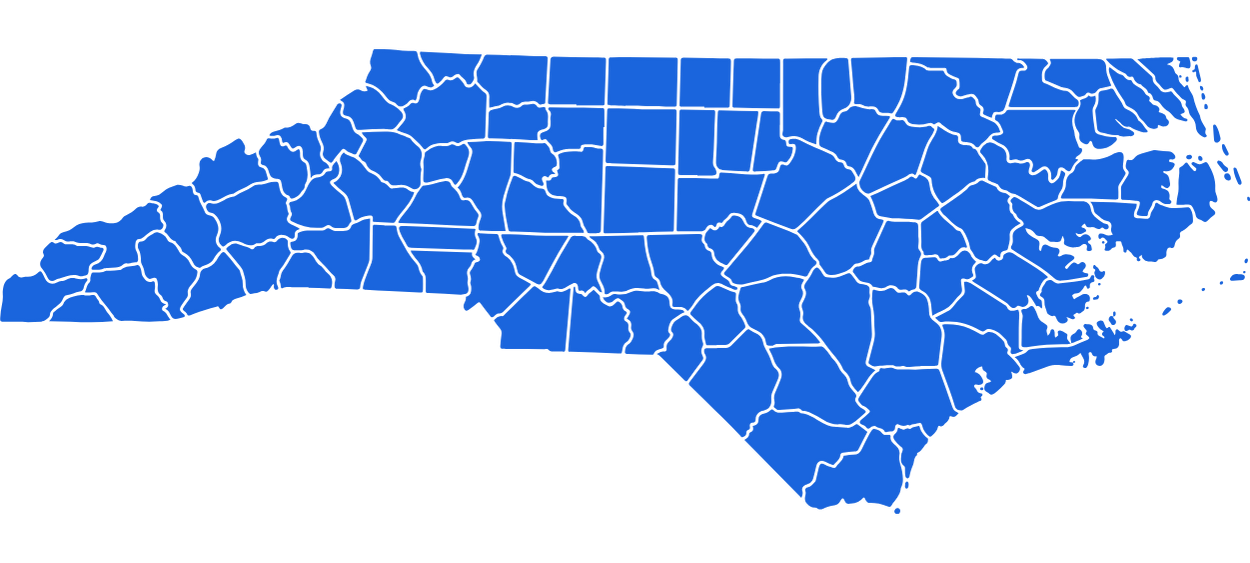
Operated at the county or municipal level, these boards manage retail ABC stores. Voters in each area decide on store locations, ensuring community input. There are about 170 local boards across the state.
Retail Operations
North Carolina is home to over 450 state-approved ABC stores. Each one serves its area responsibly, providing spirituous liquor at the same reliable rate across all counties.
Distribution & Pricing
The Commission approves brands, suppliers, and wholesalers. Prices are uniform statewide, with a published liquor price list to ensure fairness and prevent price gouging.
This structure ensures alcohol is sold responsibly, with all profits reinvested into North Carolina communities.
DID YOU KNOW?
ABC Stores are NOT owned by the state! Each is locally-owned and operated by the town, county, and/or municipalities that they are in — including the brick and mortar real estate, if that particular board is not renting.
Benefits of the ABC System for North Carolina
The ABC system isn’t just about regulation—it’s a self-funded engine for public good, generating revenue without burdening taxpayers.
Revenue and Community Reinvestment
Funding essential services like:
Grants and scholarships
Law enforcement and public safety
Non-profits, community outreach, and alcohol prevention, education, and rehabilitation/recovery initiatives.
Public Safety and Health
By limiting outlets and enforcing strict rules, NC ranks low in per-capita alcohol consumption (often 44th-48th nationally). This reduces alcohol-related harms, with evidence showing controlled systems lead to fewer outlets and better community health outcomes.
This structure ensures alcohol is sold responsibly, with all profits reinvested into North Carolina communities. For more information on how the ABC system gives back to the people, click here.
Why Privatization Would Be Bad for North Carolina
Evidence from other states clearly shows that privatizing liquor distribution a risky move that could harm communities.
Revenue Loss
Privatizing could cost the state hundreds of millions annually. Washington’s 2012 privatization led to higher prices due to new taxes and fees, with no net gain for consumers or the state.
Increased Social Costs
More outlets (potentially thousands vs. the current 450+) mean easier access, higher consumption, and rises in alcohol-related issues like underage drinking, DUIs, and health problems. Studies show privatization increases places selling alcohol, exacerbating harms.
Shifted Burdens
Law enforcement costs now covered by ABC revenues would fall on taxpayers, potentially raising property taxes. Private profits would replace community reinvestment.
No Proven Benefits
Claims of lower prices often don’t hold; instead, aggressive marketing and longer hours could worsen public health.
Experts warn that giving up control would eliminate infrastructure, lose dedicated funding for schools and safety, and increase overall costs to society.
Take Action: Protect Our System
The time is now. Everyone needs to voice their support for our locally-owned and fully-self-funded ABC system. Click the button below to find out who your local representatives are, so you can make yourself heard.
Contact Form
"*" indicates required fields
© 2026 ABCVendors.org | All rights reserved | Privacy